
Bulk Purchasing Decor Laminates: How to Optimize for Cost and Quality

Bulk purchasing plays an important role in the décor laminate industry by helping businesses improve procurement efficiency, maintain supply consistency, and optimize production costs. However, when laminates are sourced in large volumes, balancing cost with long-term performance becomes critical.

For businesses involved in interior surfaces, furniture manufacturing, wall panels, retail fixtures, and home decor using paper, laminate quality directly affects durability, finish consistency, processing efficiency, and customer satisfaction. Procurement decisions, therefore, need to evaluate both pricing and technical performance parameters before finalizing bulk orders.

As a decor base paper manufacturer, we, at Pudumjee Paper, work closely with laminate producers to develop paper solutions that enhance resin compatibility, print sharpness, dimensional stability, and decorative surface performance for interior applications.

A structured sourcing approach helps businesses optimize both cost efficiency and laminate quality for large-scale production.

Understanding Application Requirements Before Bulk Purchasing

Before evaluating suppliers or pricing structures, businesses must define the application’s technical and decorative requirements. Laminates used in furniture, retail interiors, wall panels, countertops, and decorative items made with paper often require different performance characteristics depending on environmental exposure and usage conditions.

Factors such as decorative finish, surface durability, laminate thickness, moisture exposure, and print definition influence the selection process.

Businesses evaluating laminate flooring that is waterproof or high-contact decorative surfaces must also assess resistance properties, substrate stability, and long-term structural performance before bulk procurement.

Focus on Quality Standards and Manufacturing Performance

Quality evaluation becomes critical during bulk purchasing because inconsistencies in décor paper performance can directly affect laminate finish quality, processing efficiency, and material wastage during production.

Decor base papers used in laminate manufacturing must support controlled resin absorption to ensure uniform impregnation and bonding performance during lamination. Inconsistent resin penetration can lead to surface irregularities, weak bonding, and higher rejection rates during large-scale production runs.

Controlled resin absorption also helps manufacturers optimize resin consumption during impregnation processes, improving cost efficiency while maintaining laminate surface quality.

Print performance remains equally important across decorative laminate applications.

Paper surface uniformity directly affects colour consistency, texture clarity, and print sharpness during decorative printing and finishing stages. Variations in paper formation can affect laminate aesthetics and create inconsistencies across bulk production batches.

Businesses frequently ask how thick laminate sheets are while evaluating quality standards. Thickness requirements generally vary depending on furniture applications, wall panels, flooring systems, and structural load expectations.

Dimensional stability becomes especially important during high-pressure lamination processes because décor papers must maintain structural consistency under heat, pressure, and humidity variations. Stable paper performance helps reduce sheet distortion, warping, and surface defects during manufacturing.

The Role of Specialty Décor Papers in Laminate Performance

The performance of decorative laminates depends significantly on the engineering quality of décor papers used during manufacturing.

Specialty décor papers play a critical role in laminate manufacturing because they directly influence resin distribution, surface finish consistency, dimensional stability, print definition, and overall laminate durability during high-pressure lamination processes.

Paper quality also affects processing efficiency during impregnation, pressing, and finishing stages. Inconsistent décor paper performance can lead to surface defects, uneven texture formation, print inconsistency, and higher material rejection rates during bulk production cycles.

Different laminate applications require different paper grades depending on both visual and functional requirements.

Absorbent Kraft Paper

Absorbent kraft paper is commonly used in laminate structures because of its controlled absorbency, strength properties, and compatibility with resin impregnation systems. These properties help improve laminate bonding performance, structural integrity, and pressing consistency across high-volume manufacturing operations.

Barrier Paper

Barrier paper applications help improve resistance against moisture migration and surface instability, making them suitable for laminates exposed to varying environmental and humidity conditions. Barrier performance also contributes to maintaining long-term laminate surface quality across demanding interior applications.

Decorative Surface Papers

Businesses evaluating which paper is used for decoration increasingly prioritise papers capable of supporting high-definition printing, finish consistency, and texture retention across decorative laminate surfaces.

Decorative surface papers engineered for print clarity and finish consistency help laminate manufacturers maintain uniform appearance quality, texture precision, and colour consistency across large-scale production batches.

Evaluating Waterproof and Decorative Laminate Applications

A common question across décor and interior applications is, “Is lamination waterproof?” Waterproof performance generally depends on laminate construction, resin systems, substrate quality, pressing conditions, and edge sealing performance rather than decorative finish alone.

High-pressure laminates and specialized decorative surfaces often incorporate engineered barrier layers and moisture-resistant resin systems to improve durability across humid, spill-prone, and high-contact environments.

This becomes particularly important across kitchens, hospitality interiors, retail environments, and paper used for decoration in functional surface applications.

Optimizing Cost Through Supplier and Material Selection

Bulk purchasing offers strong pricing advantages for businesses managing recurring laminate production requirements. However, choosing lower-cost materials without evaluating technical performance can increase rejection rates, production inconsistencies, and replacement costs over time.

Through our specialty decor paper portfolio at Pudumjee Paper, we support laminate manufacturers with base papers engineered for consistent impregnation, print performance, dimensional stability, and processing efficiency during large-scale production cycles.

Supplier consistency also plays a major role in maintaining production stability across bulk orders.

From our experience, consistent decor paper quality across bulk procurement cycles helps laminate manufacturers improve finish uniformity, minimize production downtime, and reduce material wastage during high-volume manufacturing operations.

Balancing procurement cost with laminate performance helps businesses achieve better operational efficiency and long-term product reliability.

Sustainability and Long-Term Value

Sustainability is becoming increasingly important across décor laminate manufacturing as businesses prioritize environmentally responsible sourcing and resource-efficient production systems.

Businesses working on home decor using paper and decorative laminate applications are increasingly selecting paper materials that support both visual performance and responsible manufacturing practices.

Our focus at Pudumjee Paper remains on developing décor paper solutions that combine manufacturing consistency, decorative performance, process efficiency, and long-term application reliability across laminate systems.

Bulk purchasing decisions become significantly more effective when businesses evaluate décor laminates through both technical performance and lifecycle value perspectives rather than pricing alone.

Why Paper Bags Are the Best Choice for Takeaway and Delivery

The food and hospitality industries in India are evolving rapidly, driven by the booming takeaway and food delivery market. With food delivery services projected to grow by over 15% annually, the demand for convenient, hygienic, and sustainable packaging solutions is higher than ever.

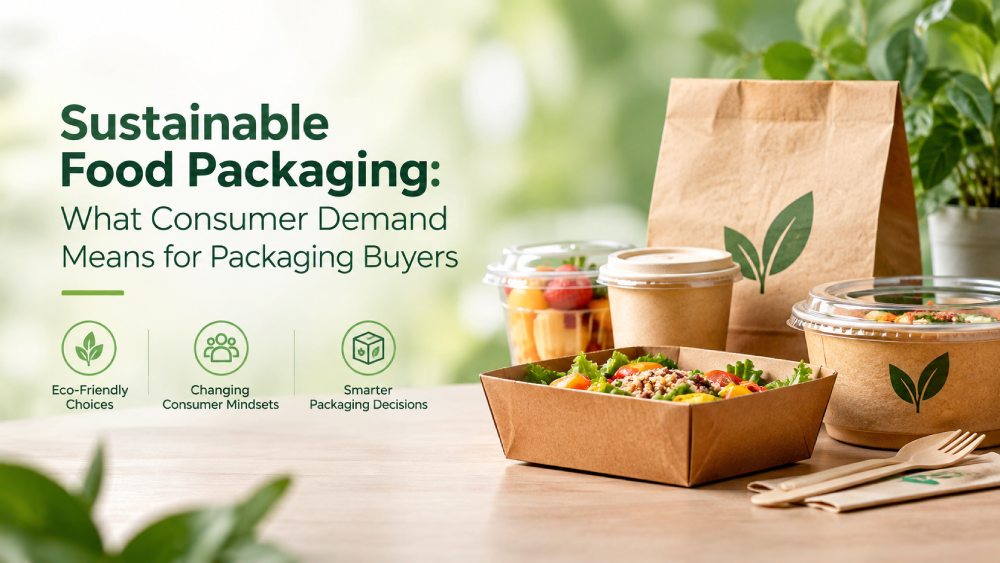
For restaurants, cloud kitchens, and food businesses, packaging is no longer just about preserving food quality. It also reflects brand responsibility and customer expectations. Modern consumers increasingly prefer eco-conscious packaging solutions, and paper bags for food packaging have emerged as a preferred alternative to plastic because they combine functionality, recyclability, and sustainability.

Let’s explore why paper bags are transforming food packaging and how they align with operational requirements across the food-service industry.

The Environmental Cost of Plastic

In the past, plastic bags were widely used in the food industry because of their low cost and convenience. However, their environmental impact remains significant. According to the Central Pollution Control Board (CPCB), India generates over 3.3 million tonnes of plastic waste annually, with a large portion contributing to landfill accumulation and environmental pollution. This has accelerated the demand for sustainable packaging alternatives across the food industry.

Paper Bags: The Eco-Friendly Alternative

As awareness around sustainability grows, businesses are increasingly adopting paper-based packaging systems that support recyclability and environmental responsibility.

At Pudumjee Paper, we focus on developing food-grade paper packaging solutions that balance packaging durability, grease resistance, printability, recyclability, and operational efficiency across takeaway and delivery applications.

Today, paper bags are designed to meet both packaging performance and sustainability expectations across QSR, bakery, grocery, and cloud kitchen operations. Businesses evaluating what eco-friendly food packaging options are increasingly shifting toward recyclable, fiber-based alternatives that reduce dependence on plastic-intensive materials.

What Food Packaging Can Be Recycled?

Businesses today are paying closer attention to which food packaging can be recycled, as packaging regulations and sustainability expectations continue to evolve. Paper bags are a strong example of recyclable food packaging. Unlike plastic packaging systems, which often face recycling limitations due to contamination and mixed-material structures, paper-based packaging can be more effectively recovered and reprocessed within existing recycling streams. Food packaging paper is increasingly engineered to maintain recyclability while also supporting grease resistance, moisture handling, stiffness retention, and food-contact safety requirements. This helps businesses reduce packaging waste while improving compatibility with circular material recovery systems.

What is Biodegradable Packaging?

A common question across the food-service industry is what is biodegradable packaging and how it supports sustainability goals.

Biodegradable packaging refers to materials that naturally decompose without leaving harmful environmental residues. Paper bags decompose significantly faster than conventional plastic packaging, making them suitable for businesses aiming to reduce long-term environmental impact.

Through our food-grade paper solutions, the emphasis remains on developing biodegradable and recyclable packaging systems that simultaneously support food safety, packaging efficiency, and sustainability goals.

Types of Paper Used in Food Packaging

Different food applications require different paper grades depending on grease exposure, moisture levels, storage conditions, and transportation requirements. Understanding the types of paper used in food packaging helps businesses select packaging systems that align with both functional and sustainability requirements.

Kraft Paper

Kraft paper is widely used in food packaging for paper bags because of its high tensile strength, durability, and load-bearing capacity. These properties make it suitable for takeaway bags, grocery applications, and multi-item food delivery packaging.

Greaseproof Paper

Greaseproof paper is engineered with low porosity and enhanced grease resistance, making it suitable for bakery products, wraps, sandwiches, fried foods, and snack packaging.

Barrier Paper

Barrier paper incorporates specialized coating technologies that improve resistance against grease, moisture, oxygen, and external contaminants while supporting food-grade packaging performance. These paper grades are increasingly used in takeaway and delivery packaging systems that require higher protective functionality.

Benefits of Using Paper Bags for Food Packaging

Eco-Friendly and Sustainable

Paper bags are manufactured from renewable fiber resources, and their recyclability and biodegradability help reduce environmental impact compared to plastic alternatives.

Durable and Practical

Modern food packaging paper is engineered to maintain structural stability under varying load conditions. Strength properties such as burst resistance, tear resistance, and handle retention become important across takeaway and delivery operations involving multiple containers and beverages.

Grease Resistance and Food Protection

One of the key technical requirements in takeaway packaging is maintaining grease and moisture resistance without affecting recyclability performance. Functional barrier technologies help improve food protection across oily, hot, and moisture-sensitive food applications.

Customization for Branding

Paper bags offer excellent print compatibility, helping businesses enhance branding, customer engagement, and packaging presentation across takeaway and delivery channels.

Safe for Food Contact

Food-grade paper applications require controlled manufacturing conditions, substrate consistency, and compliance with food-contact packaging standards to maintain hygiene and packaging integrity throughout transportation and handling cycles.

Supporting the Sustainability Movement

India is steadily moving toward eco-friendly food packaging systems as businesses adapt to sustainability expectations and regulations on single-use plastics.

Our SolidBag and SolidWrap ranges are developed using food-grade paper technologies engineered for packaging strength, grease handling, recyclability, and operational efficiency across takeaway and delivery applications.

Food businesses today require packaging systems that balance sustainability goals with functional performance.

Our focus at Pudumjee Paper remains on developing scalable food-packaging paper solutions that ensure durability, food safety, recyclability, and packaging efficiency across evolving food-service requirements.

As sustainability standards continue evolving, paper bags are expected to play an increasingly important role in supporting environmentally responsible takeaway and delivery packaging systems.

Ensuring Product Integrity: Top Packaging and Labeling Practices for Food and Pharma

When you pick up a pack of electrolytes or a blister of tablets, have you ever wondered about the effort behind keeping those products safe and effective? Packaging in the pharmaceutical and food industries is more than just wrapping. It’s a shield against contamination, damage, and even counterfeit issues. As industries evolve, packaging must address safety, compliance and sustainability.

In fact, a Grand View Research report predicts the pharmaceutical packaging market will grow by 7.5% annually through 2026, reflecting the increasing demand for innovative and eco-conscious packaging solutions. At Pudumjee Papers, we recognize how significant packaging and labeling are in ensuring product integrity. From researching different medicine packaging types to adopting sustainable solutions like biodegradable pharmaceutical packaging, our goal is to meet the changing needs of the industry. In this blog, we’ll explore the best practices for packaging and labeling in the food and pharmaceutical industries, guaranteeing product integrity every step of the way.

  1. Barcoding for Transparency and Traceability

    Barcoding is essential in modern packaging, allowing manufacturers to trace the products throughout the supply chain. Barcodes ensure traceability for sectors like food and pharma, facilitating recalls and upholding consumer safety. These effective barcode systems ensure quality control is done at every step by streamlining logistics, dropping human errors and enhancing inventory accuracy.

  2. Transparency in Labeling

    Transparency and labelling in packaging is something non-negotiable in today’s marketplace. For food products, clear nutritional information empowers customers to make safe choices. Also, the detailed labelling for the pharma products provides important information about the drug. Transparency extends to manufacturing processes, confirming critical control points are monitored to increase trust and compliance.

  3. Robust Quality Control Measures

    Quality control is very important to guarantee the efficacy and safety of products. This comprises carefully monitoring the raw materials, production processes and final packaging. By detecting the potential issues early, manufacturers can reduce product recalls while ensuring consistent quality. At Pudumjee Papers, our assurance to reliable and sustainable packaging aligns with these stringent standards.

  4. Risk Management in Packaging

    Effective risk management recognizes and diminishes potential hazards during the packaging and labeling process. For pharmaceuticals, this includes guaranteeing blister and aseptic packaging are sealed and sterile. By addressing the risks early, manufacturers protect product integrity and reduce impurity.

  5. Consumer Protection through Design

    Consumer protection is a key driver of packaging innovation. Tamper-evident packaging and safety seals are the standard practices that provide visible assurance of product integrity. Clear allergen warnings and nutritional labels in the food industry further help safeguard customers.

  6. Design Innovative Packaging

    Packaging design is about safety, compliance and usability. For the pharmaceutical industry, blister packaging ensures each dose of medicine is protected from environmental factors. The recyclable material and tamper-proof designs provide both sustainability and safety.

  7. Critical Control Points Monitoring

    Monitoring critical control points is essential to maintain safety. These are the specific stages in the production process where vulnerabilities can be controlled. For pharmaceuticals, this generally involves maintaining sterility in aseptic packaging and preventing contamination in the food industry during production.

Packaging Challenges and Evolving Solutions

The packaging materials that are used in the pharmaceutical industry must address varied needs like compliance, protection and environmental impact. The types of pharmaceutical packaging, be it vials or pouches, must meet these demands efficiently. Meanwhile, there is a rising concern over single-use plastic, and people are opting for biodegradable or recyclable materials.

As a leader in this industry, Pudumjee Paper takes pride in aligning with these trends, presenting solutions that combine functionality, innovation and sustainability. Our focus on leveraging cutting-edge pharmaceutical packaging materials and sustainable pharmaceutical packaging empowers businesses to ensure safety and contribute to a greener future.

Together, let’s create a safer, more sustainable future. For more understanding of our offerings, please explore our website.